
Muni through Jessica Christian’s lens
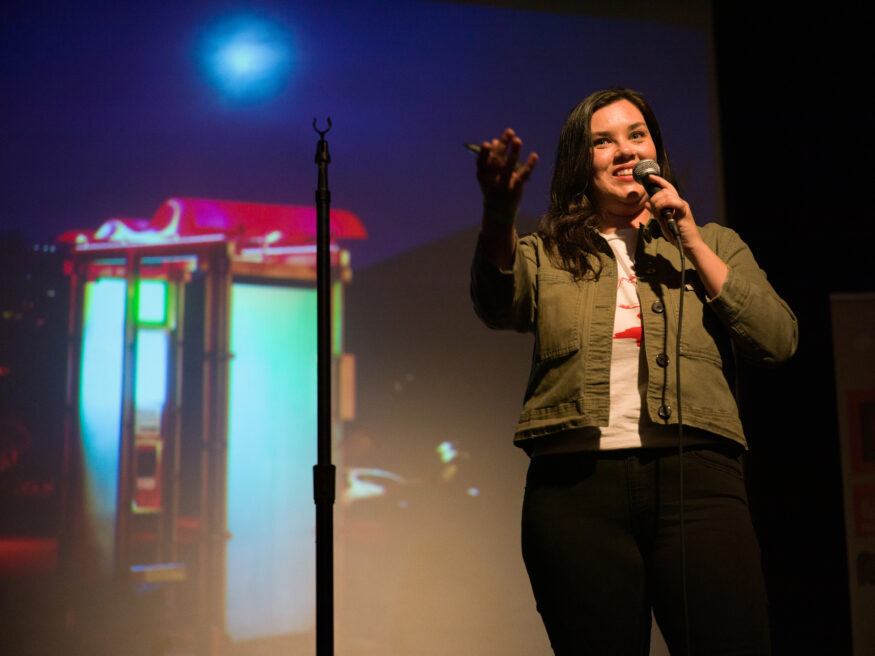
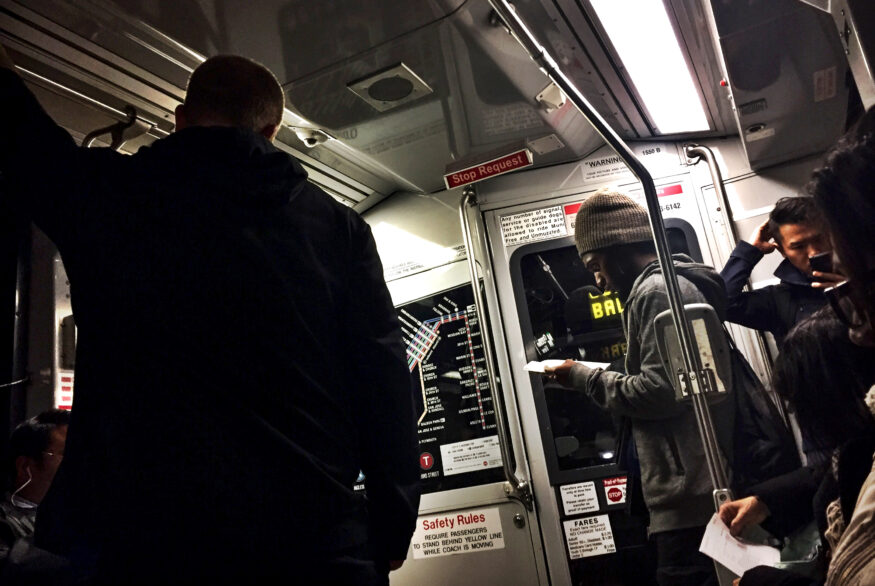
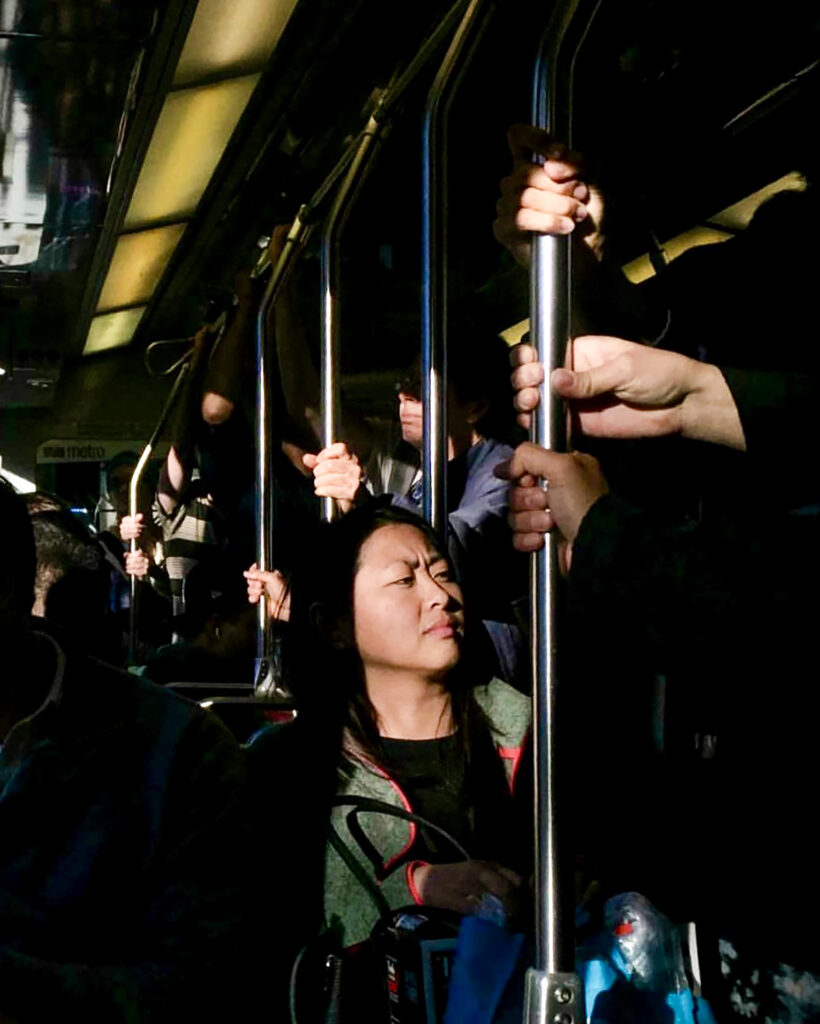
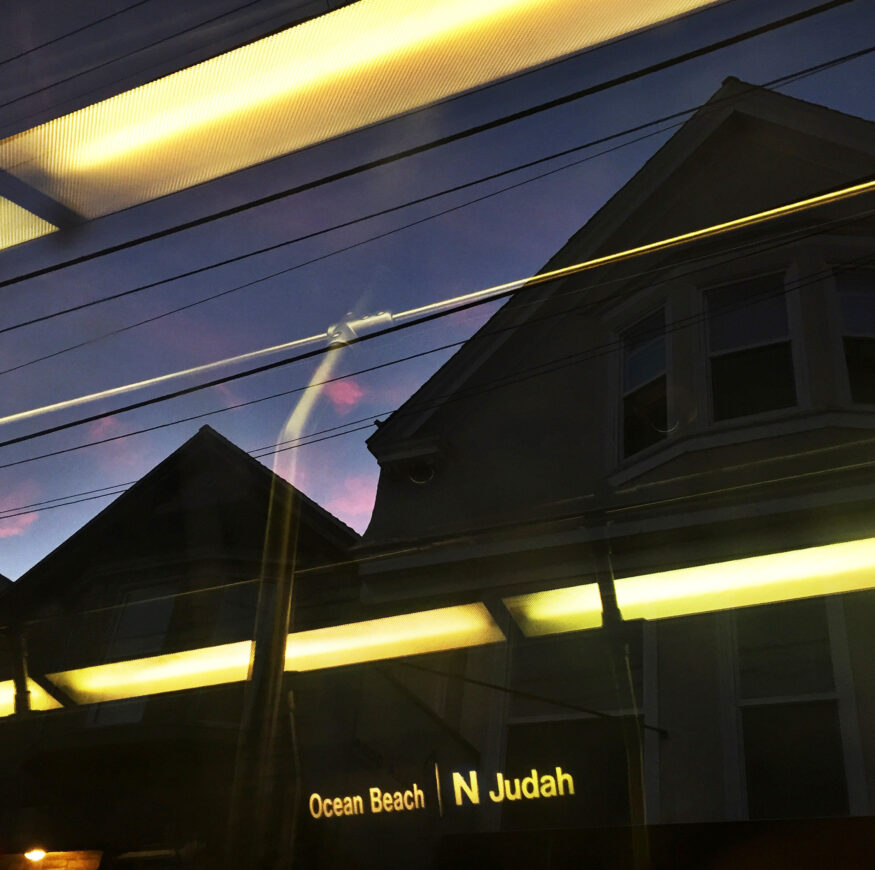
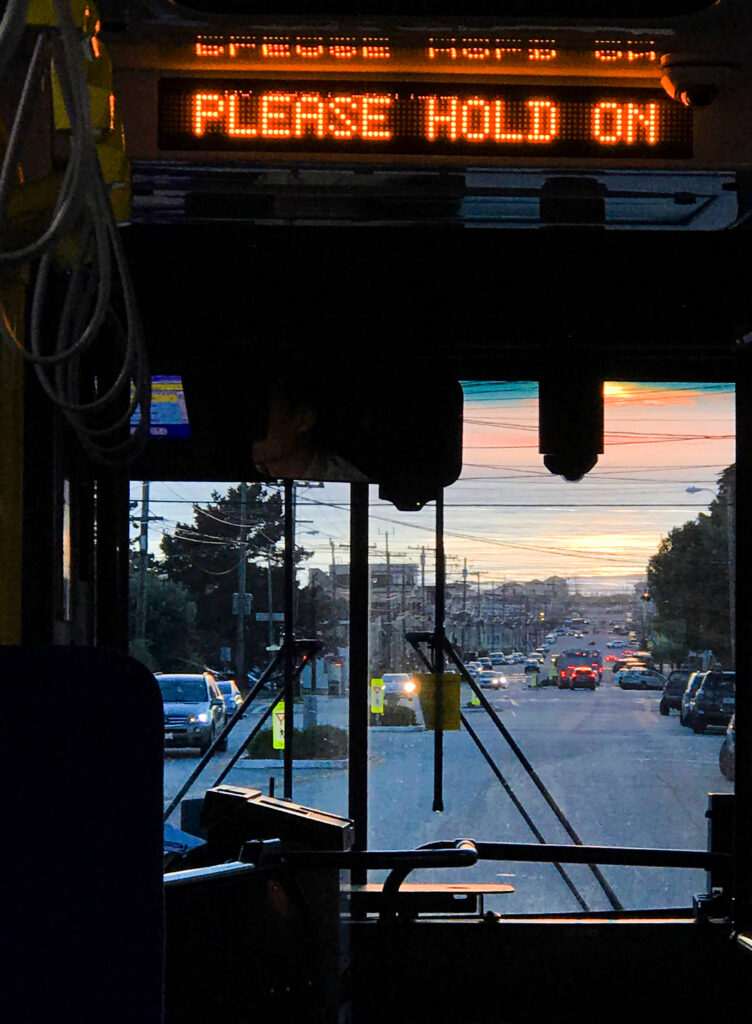
Muni is the backdrop for so much of our lives, but few of us have documented its familiar presence over years of personal change as vividly as photojournalist Jessica Christian. Trains and buses doubled as transportation and a training ground for Jessica as she developed her eye for “photography that makes you feel something”—first as a student, then a budding photographer, and later as a San Francisco Chronicle photojournalist. Jessica joined us at our Wayfinding Show in 2025 to share the stories behind some of her favorite photographs she’s made on Muni and how it helped her find her way as a photographer.
Listen to Jessica’s story on your platform of choice, and follow along with the photos she mentions in the gallery below, labeled with the relevant episode timestamps:
3:20
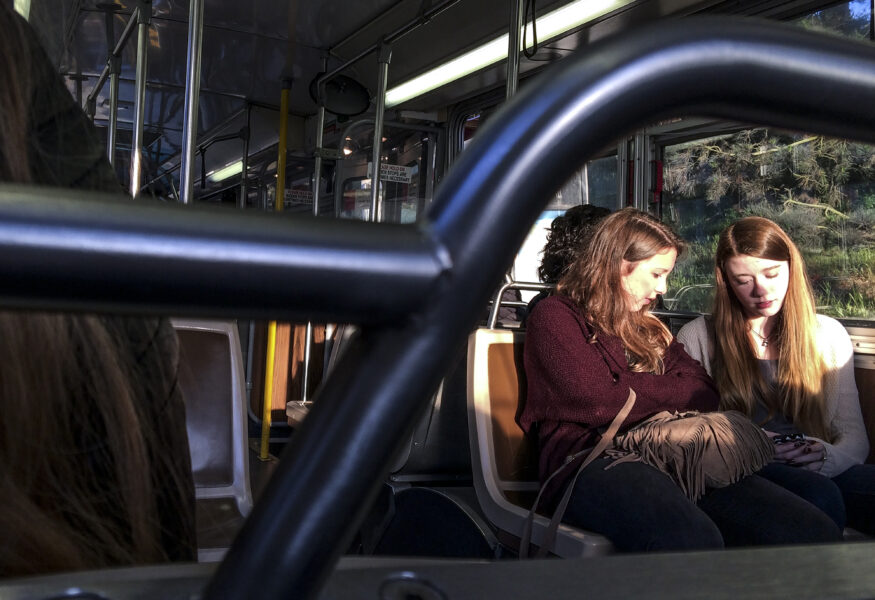
4:15
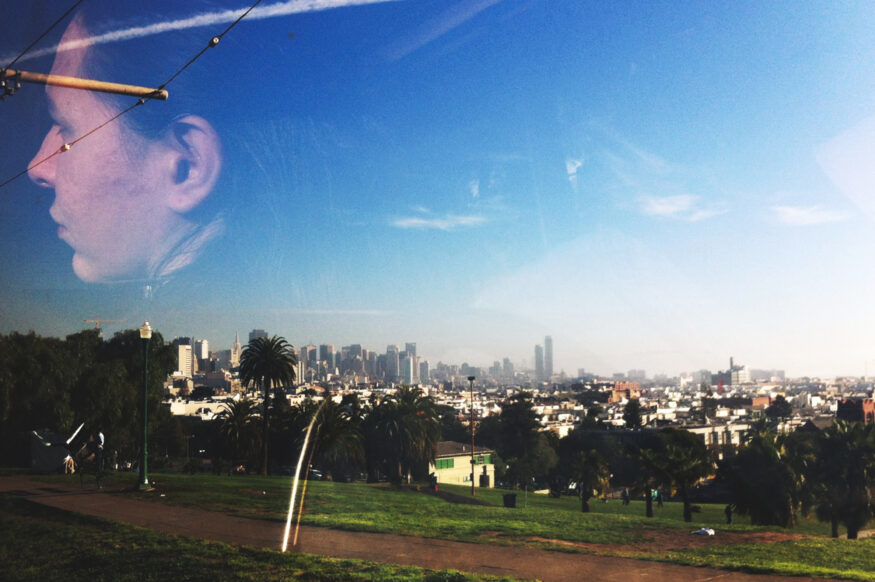
6:27
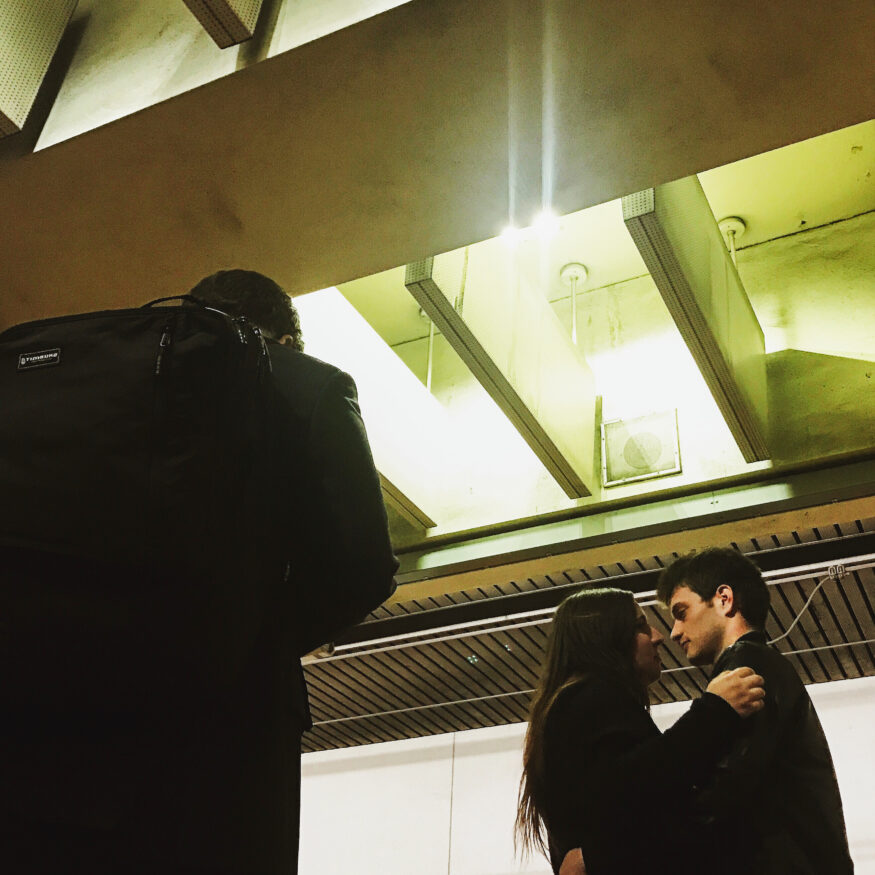
7:07
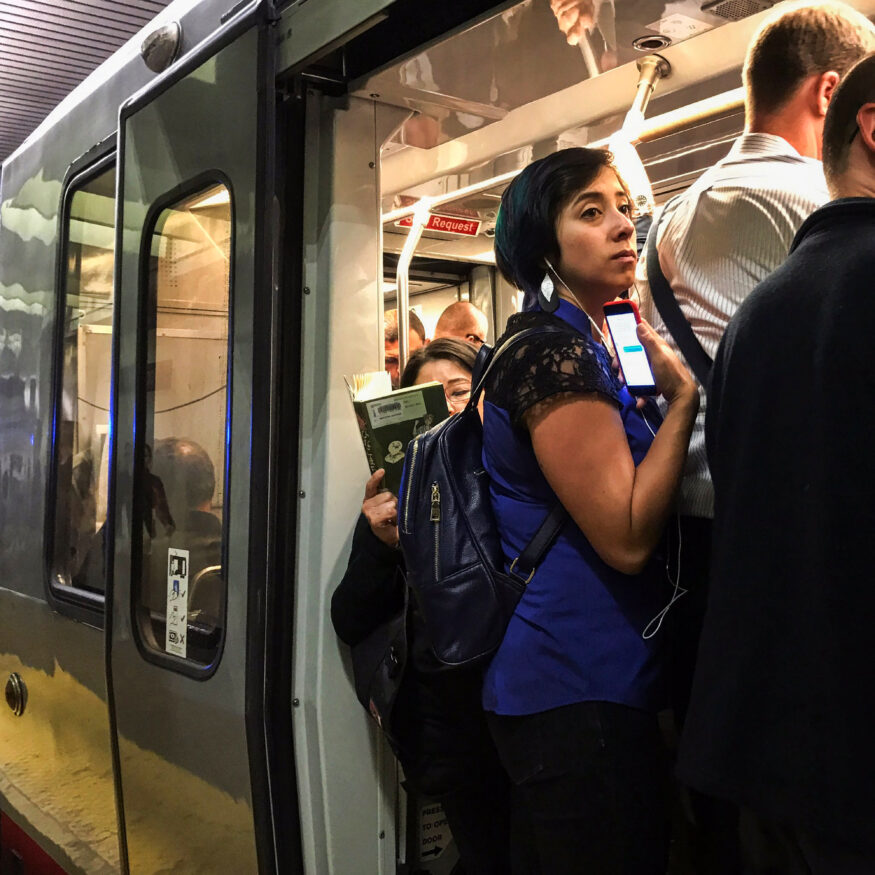
7:35
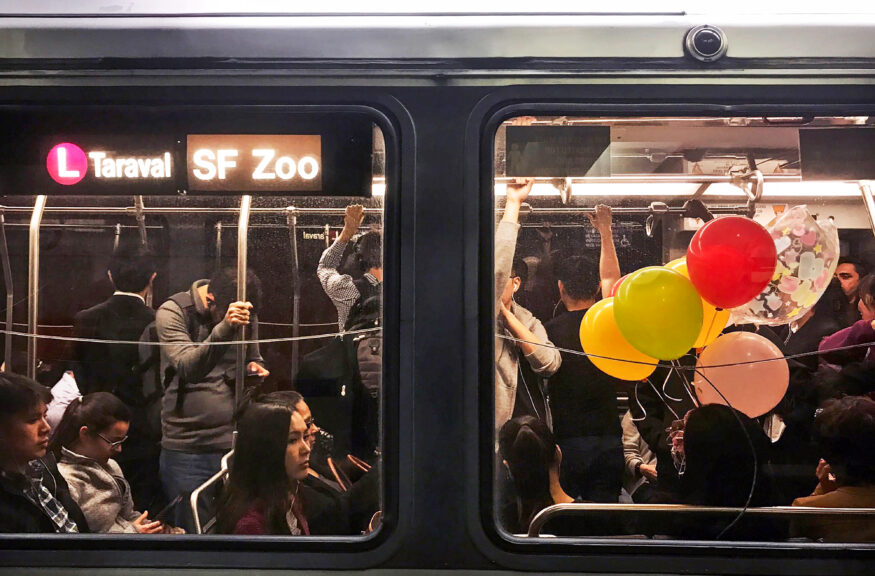
8:00
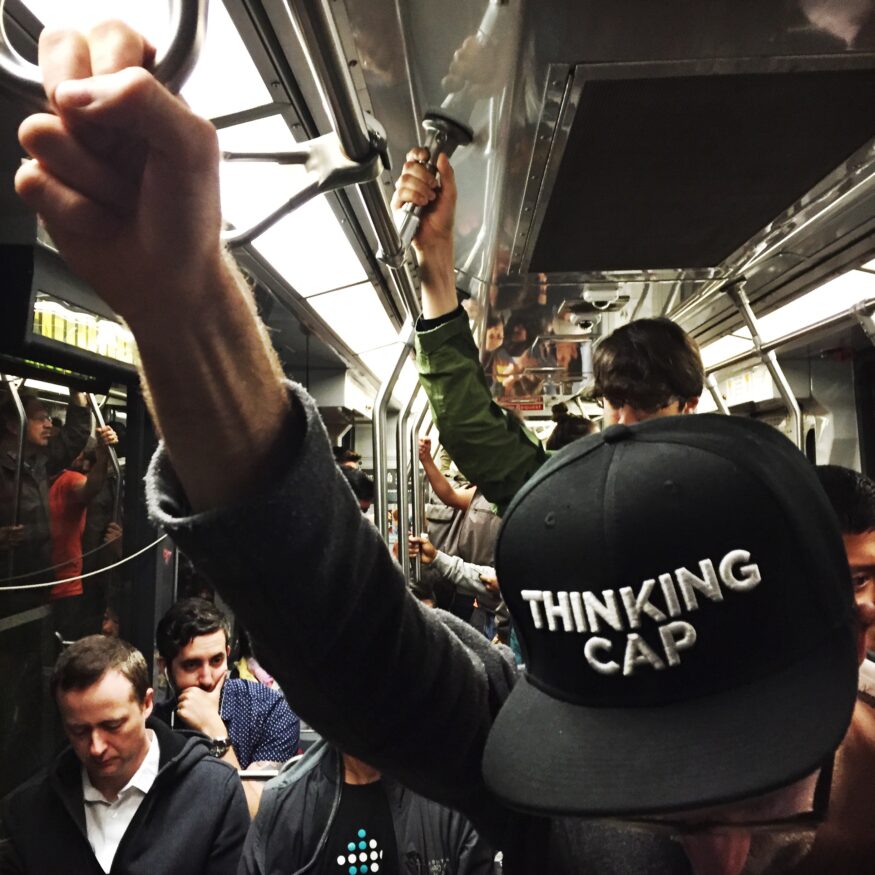
8:45

9:25
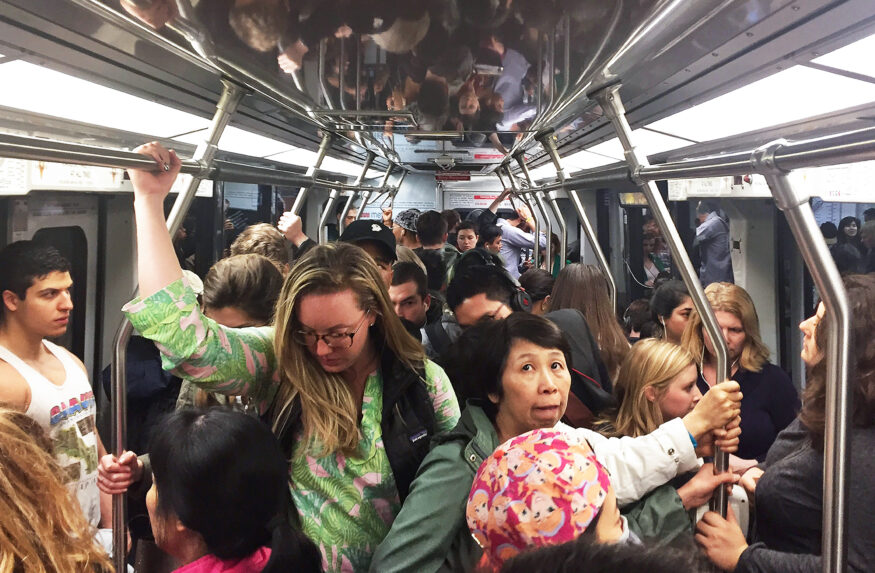
10:06
11:06
12:17
13:06
14:22
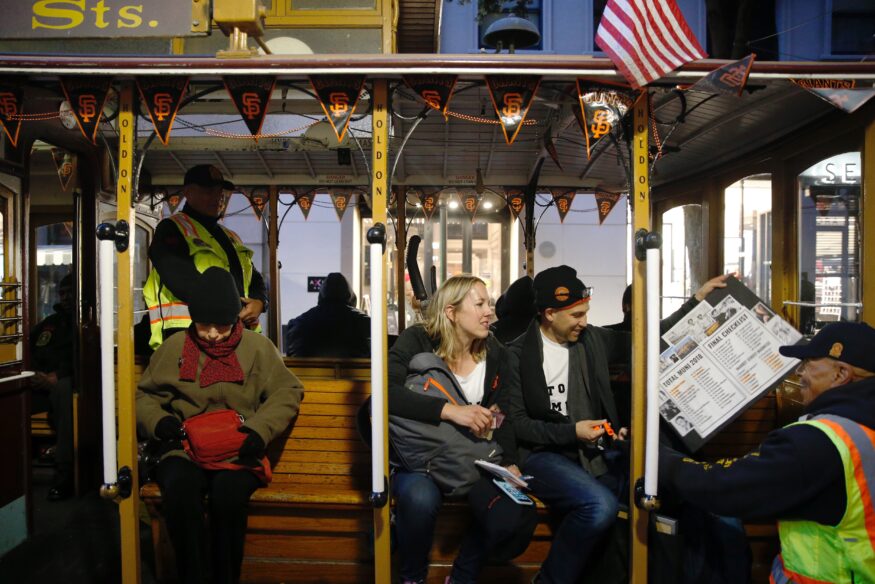
15:44
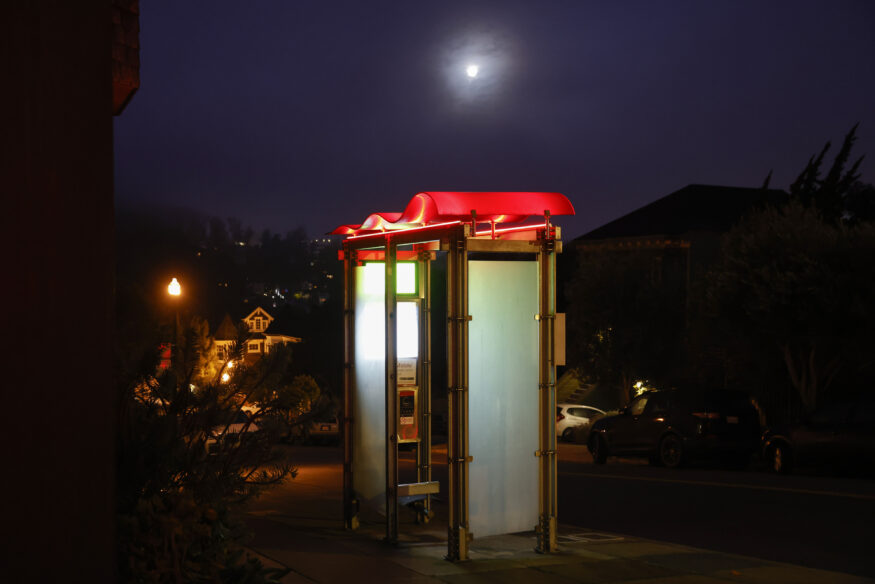
Muni Diaries is made up entirely of stories from transit riders like you. Have your own Muni story to share? Send us your pitch at muni.diaries.sf@gmail.com.
I loved how Jessica’s story intertwined her experiences with the Muni and captured the city’s vibrant essence! It’s like a reminder of how everyday places can hold so much beauty. Geometry Game
Jessica Christian’s photography captures the unique energy and daily stories of Muni riders so beautifully! Public transit gives people time to unwind during their daily commute. Whether observing city life or enjoying a quick match of 1 Player Games on your phone while riding, transit moments are special. Fantastic visual storytelling!
I really like how Jessica Christian turns ordinary Muni rides into meaningful everyday moments. Her photos make public transit feel like more than transportation—they capture the character, memories, and daily rhythm of San Francisco. Or relax Dinosaur Game
It’s lovely to see how Jessica’s Muni photos capture the small, human moments that make everyday rides feel meaningful.
her trees puzzle dream
What a fascinating perspective, Jessica! I loved how you captured the essence of Muni life. How do you think public transit shapes our sense of community? Doodle Baseball
I love how Jessica captures the essence of Muni life—it’s like a snapshot of our everyday adventures! Speaking of food experiences, have you ever tried using Foodle to map out your foodie stops along your commute? It makes finding local gems so much easier. What are some of your favorite spots discovered on Muni?
The idea of transit as both everyday infrastructure and a long-running visual classroom is especially compelling. Christian’s development from student to photojournalist suggests that familiar routes can keep yielding new emotional details when viewed with patience. Framing Muni as a setting for personal change also gives the images more than documentary value: they become a record of how a city is inhabited, remembered, and observed over time.
A strong printable project works best when the reading, activity prompts, answer material, and assembly steps support one another. That structure helps an adult prepare with less guesswork while giving learners a clear path from a topic to a finished folder. Well-organized lapbook ideas can also make it easier to revisit key vocabulary, sequence events, or compare concepts after the initial lesson. The folder becomes both a creative task and a compact record of learning.
Public transit is often treated as scenery, yet this account points to how it can become part of a person’s visual education and memory. The idea that trains and buses were both practical transport and a training ground gives the photographs a longer story: the same everyday spaces changing meaning as the photographer changes. That perspective can help viewers notice the routines around them with more attention.
The player’s viewpoint changes when they realize this, seeing every effort as a deliberate action rather than a random guess. wordle today remains fascinating and fair because of this combination of surprise and agency.
Jessica Christian’s ability to transform the routine of a Muni ride into a profound visual narrative is truly inspiring. It highlights how public transit serves as a canvas for personal growth and community observation. For those who enjoy adding a bit of humor to their daily commute or creative projects while traveling, using Sound buttons can be a fun way to engage with the environment. Her work beautifully captures the intersection of city life and individual memory.
Seeing Muni through someone who photographed it across years of personal change is such a lovely angle. Trains and buses as a training ground for a photojournalist makes sense, since every ride brings a new set of faces and light.
Facial-analysis tools are easier to use responsibly when they state what a result can and cannot mean. A score range may shift with lighting, expression, framing, and camera distance, so repeating the same photo conditions matters more than treating one output as final. Privacy information should be equally visible; https://attractivenesstest.dev/ is relevant to the wider discussion of browser-based analysis and the importance of keeping personal image handling understandable.
For those who enjoy adding a bit of humor to their daily commute or creative projects while traveling, a Meme Soundboard can be a fun way to engage with the environment. Her photography perfectly captures the intersection of city life and individual memory.
Converting text into binary can be more instructive than simply viewing a finished sequence. Start with a short ASCII-compatible word, map each character to its numeric code, and then express each value as an eight-bit group. Reversing the groups back to characters is an important check because it exposes missing zeros, incorrect grouping, and confusion between decimal and binary values. A binary code translator can support that compare-and-correct workflow.
Ending patterns are a practical way to reduce a crowded word list, but they become more useful when paired with exclusions from earlier guesses. A resource for 5 letter words ending in ite can separate common options from obscure entries and make clear which candidates remain valid after known letters are applied. That approach keeps the focus on pattern recognition while still leaving room to test uncertain positions efficiently.
Type matchups become much easier to reason about when dual typings are calculated rather than guessed. A dual-type weakness calculator can show where multipliers stack, cancel out, or create an unexpected resistance. That makes it useful for comparing possible additions to a roster and for identifying defensive gaps before a battle. Keeping generation-specific rules in view also prevents older matchup assumptions from shaping current choices.
Jessica Christian’s view of Muni as both transportation and a training ground for her photography is such a compelling perspective. I especially like how the familiar buses and trains became a visual record of her growth from student to San Francisco Chronicle photojournalist.
A monthly view of sunrise and sunset can reveal how quickly usable daylight changes across a season. The sunrise and sunset times offered for individual cities are especially meaningful when shown with the local date and time zone, since a schedule can otherwise be easy to misread. Combining those details with day length supports clearer planning for outdoor events, commuting, and travel itineraries.
Jessica’s evolving relationship with Muni—as a student, emerging photographer, and Chronicle photojournalist—shows how familiar routes can become a meaningful visual archive. I especially like the idea of buses and trains serving as both transportation and a training ground for photography that makes you feel something.
Jessica’s long view of Muni—as both a training ground and a constant backdrop through different stages of her life—makes the system feel like more than transportation. I especially like the idea of her documenting its familiar presence through photography that “makes you feel something.”