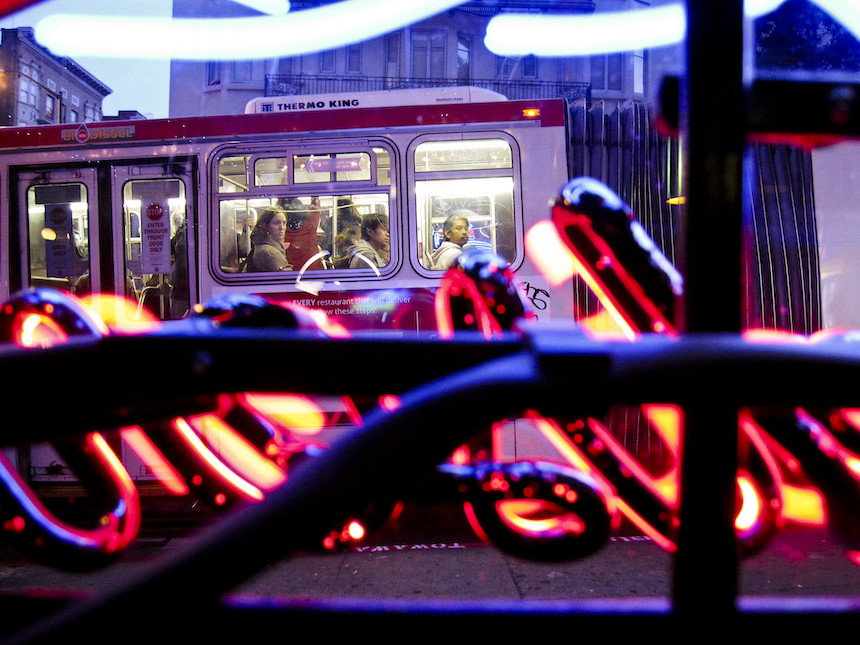
Support these SF AAPI orgs and stop telling the Muni ‘chicken story’
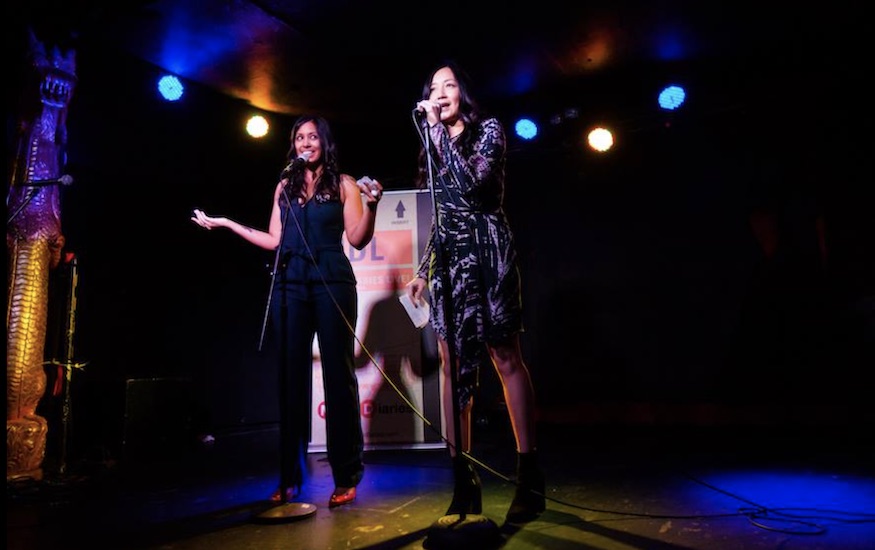
San Francisco is approximately 37% AAPI*, and here at Muni Diaries, we are 2/3 Asian women, the first-generation American children of immigrants, and proud of our heritage. We’ve spent more than a decade documenting life in San Francisco because we love our city. But that love letter can be harder to write in the shadow of violent crimes against Asians in San Francisco and a mass shooting targeting Asian women in Atlanta.

Like all people of color, we were hardly surprised—this is the reality of being non-white in the United States. But we were horrified for the victims, current and future. As Asian women, public transit enthusiasts, and longtime urban adventurers, we wonder how easily it could have been one of us.

Even in our tiny universe of collecting your stories on Muni, race has been a constant. We started the conversation about race on Muni Diaries in 2009 after an audience member made fun of a Chinese stereotype at our live show (henceforth named the Muni Chicken Story Incident). And we continue having these conversations with one another and within our community today.

Early in the pandemic, our Asian-American readers asked, “Do you feel that people are glaring at you on Muni?” We were almost relieved because we were experiencing the same.

The issue of race remains one of our most frequent editorial judgements in story submissions; ethnicity is often included as a descriptor when relaying a tale, even if it doesn’t add anything to the story. It usually seems unintentional, but from our perspective behind the scenes, it highlights how descriptors of “others” are noteworthy, whereas descriptors of the perceived default—white—are not.

Every incident reminds us that we can’t only be philosophically against AAPI hate, we actually have to do something about it every single day. We will continue to make Muni Diaries a fair and inclusive place to talk about our city, and we encourage you to support these San Francisco-based Asian-American organizations who are on the front lines of advocacy.

If you have other organizations to add, and other actions to share, our comments section and inbox are always open to your point of view.

Photo by Right Angle Images.
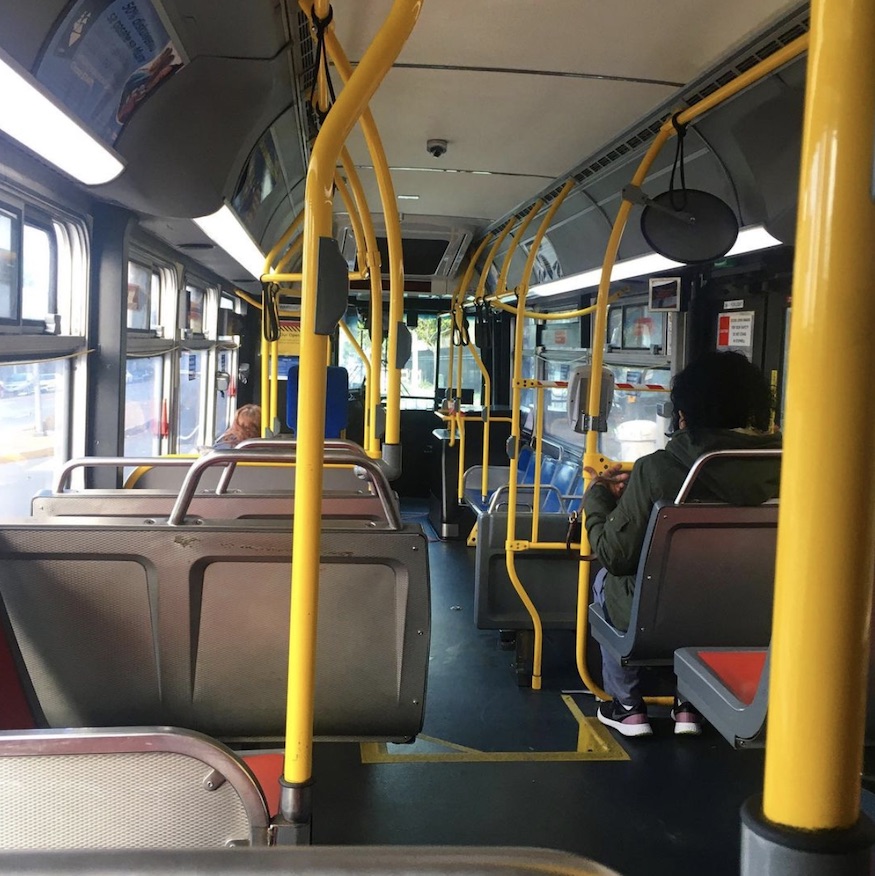
A new mom’s gratitude for Muni drivers

Muni is the lifeline that powers our city, and its importance in everyday life stands out especially in a time of crisis. We recently got a letter underscoring this fact from new mom Cole Brennan, whose newborn was in the ICU for two weeks. Sharing her letter with us via Instagram, she says:

Dear Muni Operators,
When I yell “Thank You!” to you, through my double masks from the back door at the stop at 3rd & 20th, please know it is the most sincere thanks I’ve ever given a stranger.


It’s true that I’m the sort of person who always thanks the bus driver. And it’s true that after many months of not riding the bus I was likely to feel an extra surge of gratitude once I finally started riding again. But the gratitude I’ve felt for you this month goes well beyond my usual thankfulness.


For two weeks you helped me get to the Children’s Hospital so I could visit my newborn in the Intensive Care Nursery.

You, Muni operator, are part of a small galaxy of helpers that held my little family be together during the longest weeks of my life.

Thank you.

Read more

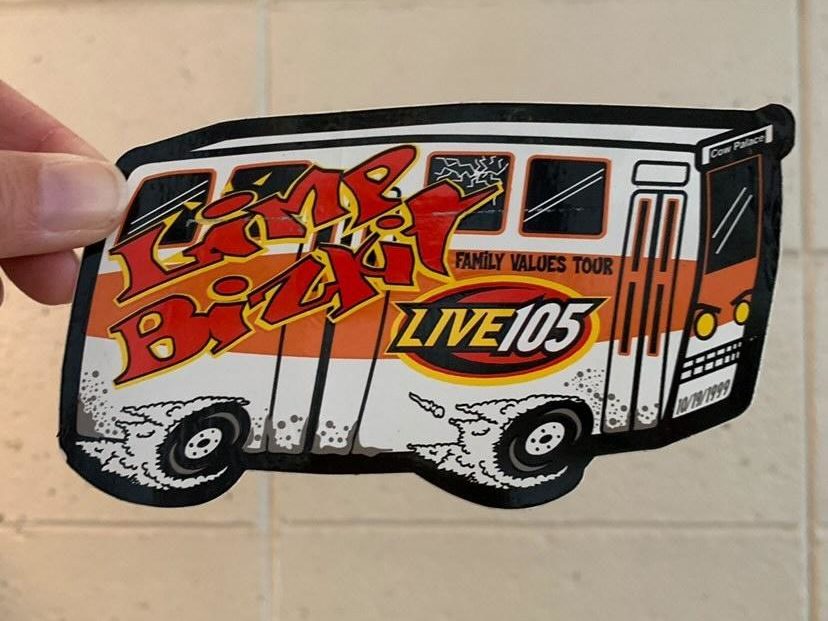
Limp Bizkit, Live 105, and Muni walk into a time machine…

@pfungcollects shared a relic from when we partied like it was 1999 with Limp Bizkit and Live 105 at the Family Values Tour—founded by nu-metal sensation Korn—and a grumpy Muni bus headed to the Cow Palace.

Yikes. I challenge anyone to come up with a more “Bay Area in the late-’90s” sentence than that. ^^

I can’t say I’m surprised to see Muni sneaking into the mix; from “My Neighbor Totoro” Catbus t-shirts to a cameo in Sister Act 2, Muni has always found a way into the spotlight.

Speaking of the ’90s, it was also preserved and well in my family home in South City. Yes, that’s a pristine collection of KMEL and Wild 107 stickers hoarded carefully in a drawer for two decades.

Shout out to the Bay Area kids who remember pre-Wild 94.9, all the way on the far side of the radio dial.

From transit ephemera to relics of Bay Area gone by, we want to see it, hear it, and know about it. Tag us on Facebook, Instagram, or Twitter. Our email inbox is always open, too.

My Muni family history in the early 1900s

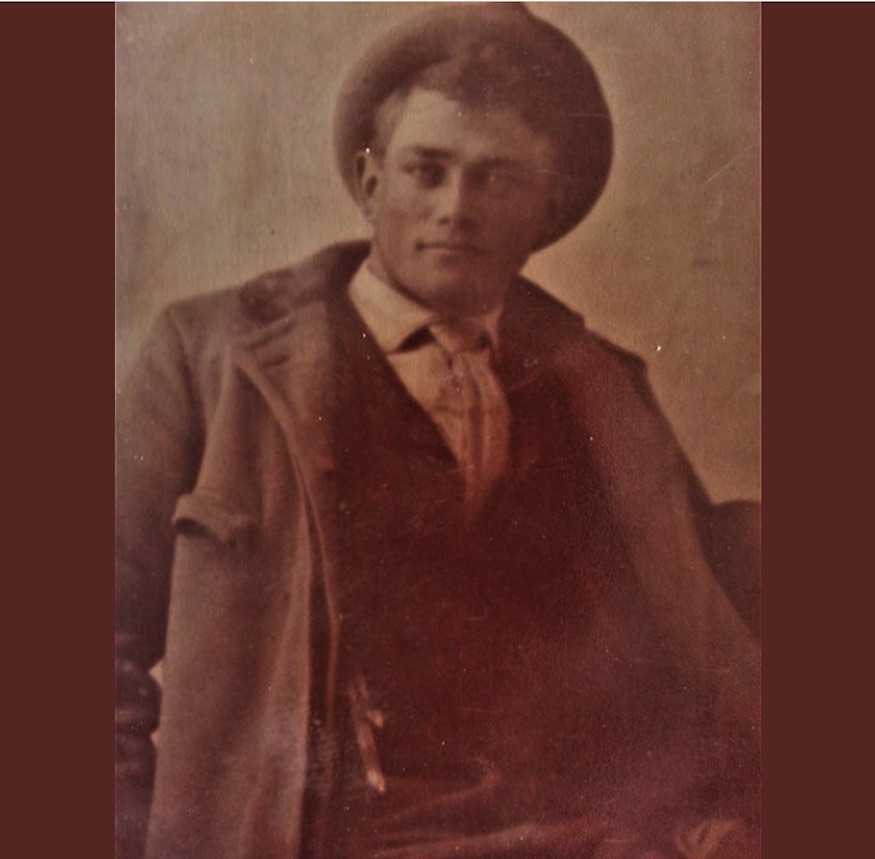
Reader Kay Karpus Walker found a piece of her family history that’s very relevant to our interests. She shares this photo and family history on the Muni Diaries Facebook page:

A bit of Muni history—a photo of an early Muni driver—Jacob B. Unruh—my grandfather. This is from the early 1900s in SF. Jacob became a driver after he was forced to close his business in the early days of the Depression or right before it hit. An immigrant from the Ukraine and a Mennonite, he was a cousin of Jesse Unruh, the California politician, according to Jesse himself.

Jesse Unruh was also known as “Big Daddy Unruh,” at one point the California State Treasurer. In the early 1900s, the Stockton Street Tunnel opened, and J-Church streetcar line was just starting service. Muni as we know it started to transition from for-profit monopolies to a municipally operated agency around 1912.

We know that there are lots of San Francisco history buffs in our midst here on Muni Diaries. For more Muni history, check out this vintage photo album of the evolution of Muni vehicles, or listen to our podcast episode featuring the historians at SF Neon on a piece of SF history they spotted on the bus.

Does your family have a Muni connection? We want to know! Submit your own story to us by emailing us at muni.diaries.sf@gmail.com, or tag us @munidiaries on Twitter, Facebook, or Instagram.

On the scene: Frustrations run high as Muni attempts to control bus capacity

As we enter into the least-restrictive “yellow tier” of the state’s COVID re-opening framework, is riding public transit becoming safer? Ridership on Muni reached historic lows since the start of the pandemic. Even so, Muni has established capacity protocols on buses to keep riders and drivers safe. In practice, that can translate into a frustrating experience for riders and drivers alike, as not everyone has gotten the memo on why the bus is blowing you off. In this snapshot from rider Eric, he describes what riding Muni is like nowadays.

My wife and I made a “jaunt” to the Ferry Building recently, just to throw some money at our favorite food purveyors, and because the 2 and 3 haven’t run since April, we now have to walk to the Transbay Terminal to pick up a 38. No problem really, and you get your choice of seats. However….by the time we get a stop away from Powell Street, the bus is over the limit for safety and the driver doesn’t have to stop if he doesn’t want to, so we blow right past Powell. He lets two people off at the corner of Mason, just to lighten his load, and continues.

Two blocks from Van Ness, he blows by another stop but this time, a woman runs after the bus and catches us at the next red light. Boy, does she let him have it!

F-bombs and middle fingers and demands to open the door. Plus, she keeps stepping in front of the bus to keep him from going.

Two light cycles later, the driver finally tells her that he’s only allowed 30 people on the bus, so she goes down the side counting people.

“You only got 26! Let me the [f-bomb] in!”

But this time, he gets off before she can get in front.

But wait! There’s more!

The next stop is Van Ness. We see five people standing in the street with arms outstretched and another eight or so on the sidewalk. There is no way these people are going to let this bus go by! Our bus has to stop.

The result is that a dozen more get on, and now the bus really IS crowded. People with masks around their chins, pissed off people who’ve been passed by for how long….I can’t blame them.

Luckily, our stop is next. Except the driver won’t stop to let anyone off because there’s one—one—guy at the stop.

I stand up and pull the cord hard; not like it does anything, as he blows past the Laguna stop as well.

Five of us scream at him: “Hey! We’re trying to get off and reduce the number of passengers!”

Finally, he stops in the middle of the next block and lets us out. #fuck2020 #putmorebussesonthestreet

Is *waving hands frantically* the new “back door”?

As San Francisco (again, fingers crossed) continues to do a good job at keeping Covid under control, more public transit service with precautions is looking more and more likely. I, for one, recently rode Muni for the first time in seven months—a 7, in fact.

But, you’re the expert. Tell us what you’re seeing out there in the wild, for our collective online journal. Email us at muni.diaries.sf@gmail.com. If you’re feeling more short-form or casual, tag us @munidiaries on Facebook, Instagram, or Twitter.

Pic by Ariel Dovas on Flickr

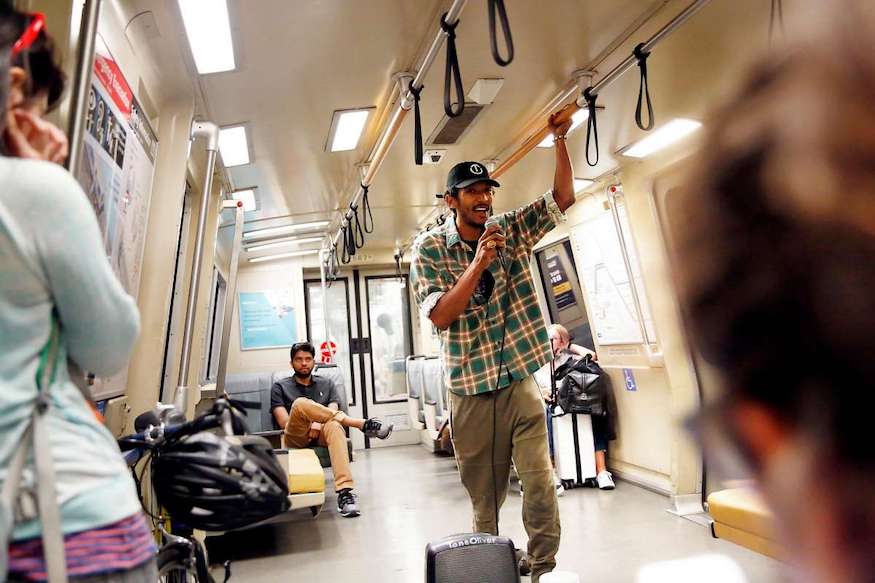
Chronicle reporter shares BART busker afterstory

A lot of concerns in the Before Times seems silly now, but one of them stands out in particular: when BART director Deborah Allen tried to ban panhandling on BART, which included busker activity. San Francisco Chronicle reporter Rachel Swan was reporting on the ordinance when she met rapper Tone Oliver, whose story became symbolic of how an anti-panhandling ordinance can impact artists like him.

As commuters ourselves, we know that musicians and performers on public transit often provide us with that surprising and delightful moment from the daily grind. And many buskers have left a lasting impression on their audience, like Jesse Morris who was known as punk rock Johnny Cash, or Ron Kemp, whose gentle voice you know from Powell station. But at the end of the day, the ordinance perhaps wasn’t about buskers at all.

The ordinance didn’t pass (and Allen would go on to make other controversial statements in 2020 about BART police), but Oliver achieved local fame and even garnered the attention of the ACLU. In today’s podcast, Swan describes the aftermath of what happened after her coverage put Oliver in the limelight.

Listen to her story:

Don’t forget to subscribe to the Muni Diaries podcast to keep up with more first-person stories about life in San Francisco. And if you have your own story to contribute, email us at muni.diaries.sf@gmail.com.

Photo by Lea Suzuki, San Francisco Chronicle

1 2 3 4 … 468